Mulagunnathukavu, Poomala, Thekkumkara, Kerala 680581

Complete Travel Guide for Kerala Trip for Families in 2026
Last updated: 31 Mar 2026
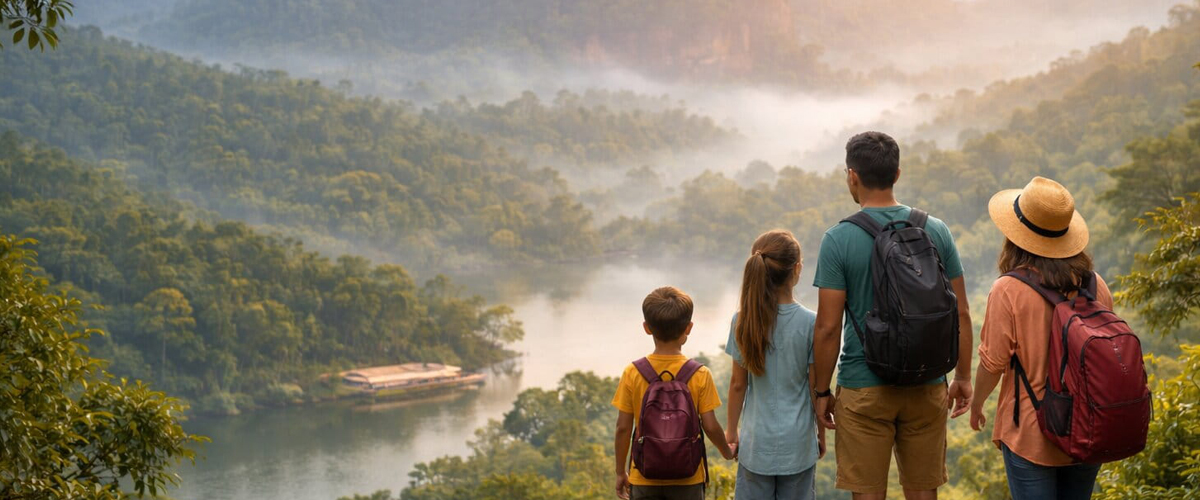
Planning a Kerala trip for families requires more than just selecting popular destinations. It involves designing a travel experience that carefully balances comfort, travel time, and meaningful engagement for every family member. Kerala stands out as one of the few destinations where diverse landscapes—lush hill stations, wildlife regions, tranquil backwaters, and culturally rich towns—are all connected within relatively manageable distances.
However, many families underestimate the impact of road conditions, travel duration, and itinerary structure. This often leads to fatigue, rushed sightseeing, and an overall stressful experience. A well-planned family trip should focus on minimizing unnecessary movement, maintaining a steady travel pace, and ensuring that each destination contributes positively to the journey.
Top Family-Friendly Destinations in Kerala
Kerala offers a wide range of destinations, but the key to a successful family trip lies in selecting places that provide variety without repetition and are comfortable for all age groups. Instead of covering too many locations, it is more effective to choose destinations that offer distinct experiences while maintaining travel comfort.
Some of the most suitable family-friendly destinations include:
Munnar – Ideal for a Calm and Refreshing Start
Munnar is widely regarded as one of the most suitable starting points for a family trip. Its cool climate provides immediate relief, especially for travelers coming from warmer regions. The destination is known for its expansive tea plantations, misty hills, and scenic viewpoints that are easily accessible. Unlike destinations that require long treks or intense activity, Munnar allows families to enjoy nature with minimal effort, making it particularly suitable for children and elderly members.
Thekkady – Adding Engagement Without Overexertion
Thekkady plays an important role in adding variety to the trip. It introduces families to nature-based activities such as boating and plantation visits, which are structured and safe. These experiences provide a sense of engagement and exploration without causing physical exhaustion. It also helps maintain interest for children by introducing interactive elements into the journey.
Alappuzha – Transition to a Slower and More Relaxed Phase
Alappuzha offers a completely different travel experience. The backwaters create a calm and peaceful environment where families can reduce movement and focus on relaxation. Whether staying near the water or experiencing a houseboat setting, this destination allows travelers to pause and recover from previous travel days. It is particularly beneficial for maintaining a balanced travel pace.
Thrissur – A Practical and Low-Stress Final Stop
Thrissur provides a quieter and more manageable environment compared to crowded tourist hubs. Its central location ensures easy connectivity, while its cultural richness adds depth to the overall travel experience. As a final destination, it helps families unwind and prepare for departure without the stress of heavy travel or crowded surroundings.
How to Select Destinations Based on Family Needs
Every family has different expectations, and destination selection should reflect those needs rather than following generic travel plans.
Families traveling with young children or elderly members should prioritize destinations that require minimal physical effort and offer easy accessibility. Those seeking relaxation should focus on backwaters and low-density locations, while families looking for mild exploration can include destinations with controlled activities.
Understanding your family’s travel style—whether relaxed, moderate, or activity-focused—helps in selecting destinations that enhance the experience instead of creating discomfort.
Understanding Travel Distance and Real Travel Time in Kerala
One of the most critical yet often overlooked aspects of planning a Kerala trip is actual travel time. Distances may appear short on maps, but road conditions significantly influence travel duration.
Hill routes such as those leading to Munnar involve winding roads, which naturally reduce speed. Similarly, traffic conditions in certain areas can add unexpected delays. As a result, even a 100 km journey may take 3 to 4 hours.
Planning based on realistic travel time rather than distance ensures that families avoid exhaustion and maintain a comfortable pace throughout the trip.
Flexible Travel Planning Instead of Rigid Itineraries
A rigid itinerary may look efficient on paper but often fails in real-world travel conditions. Families benefit more from a flexible approach that allows adjustments based on energy levels, weather, and unforeseen delays.
A practical structure involves starting with a comfortable destination, gradually introducing activities, transitioning into relaxation-focused locations, and ending in a low-stress environment. This method ensures that the journey feels natural and enjoyable rather than rushed.
Family-Friendly Experiences That Add Real Value
The experiences you choose can significantly impact the overall quality of your trip. Families should focus on activities that are safe, engaging, and suitable for all age groups.
Backwater experiences provide a calm and immersive environment. Plantation visits offer scenic exposure with minimal effort. Boating in controlled environments adds a sense of adventure without risk. Cultural performances introduce families to local traditions in a relaxed and educational manner.
Choosing the right mix of experiences ensures that the trip remains engaging without becoming physically demanding.
Choosing the Right Type of Accommodation
Accommodation is not just a place to stay—it directly affects comfort, rest, and overall satisfaction. Families should evaluate properties based on functionality and environment rather than just pricing or visual appeal.
Spacious rooms, quiet surroundings, and easy accessibility are essential factors. Cleanliness and consistent maintenance also play a crucial role in ensuring a comfortable stay.
In recent years, there has been a shift toward homestays and nature-based properties, as they offer better privacy, flexibility, and a more relaxed environment compared to crowded hotels.
Budget Planning: A Practical Approach for Families
Budget planning should focus on value rather than strict limitations. Costs in Kerala can vary depending on season, accommodation type, and travel preferences.
The main expense categories include accommodation, transportation, and food. Families should prioritize spending on comfort—particularly for stays and travel—while keeping other expenses flexible.
As a general estimate, a family trip to Kerala can start from approximately ₹35,000 and above, with variations based on choices and travel style.
Common Travel Challenges and How to Avoid Them
Many families encounter similar issues during travel:
-
Overplanning leading to exhaustion
-
Underestimating travel time
-
Choosing crowded or inconvenient accommodations
-
Lack of rest periods
Being aware of these challenges allows families to plan more effectively and avoid common mistakes.
Practical Travel Tips for Families
Maintaining a comfortable travel experience requires attention to small but important details.
Limiting daily travel duration helps reduce fatigue. Keeping buffer time between activities allows flexibility. Avoiding frequent hotel changes ensures stability. Carrying essential items such as medicines and snacks improves convenience.
These practical adjustments make a significant difference in overall travel quality.
Recommended Stay Approach for Families
The final phase of a trip should focus on relaxation and recovery. Choosing a calm and less crowded location helps families unwind after multiple travel days.
In this context, Thrissur is a practical choice due to its balanced environment and central connectivity. It offers a quieter alternative to busy tourist hubs.
Nearby areas such as Poomala Dam provide a natural and peaceful setting, ideal for a relaxed stay.
For families exploring options in this region, properties like Golden Villa Resort align with the need for comfort, space, and a calm environment.
Conclusion:
A successful Kerala trip for families is not defined by the number of destinations visited, but by how well the journey is planned and experienced. By focusing on travel flow, comfort, and balanced experiences, families can create a trip that is enjoyable, stress-free, and memorable for every member.
The key is to make thoughtful decisions, maintain a realistic pace, and prioritize comfort at every stage of the journey.
